Patios That Last
What Matters Beneath the Stone
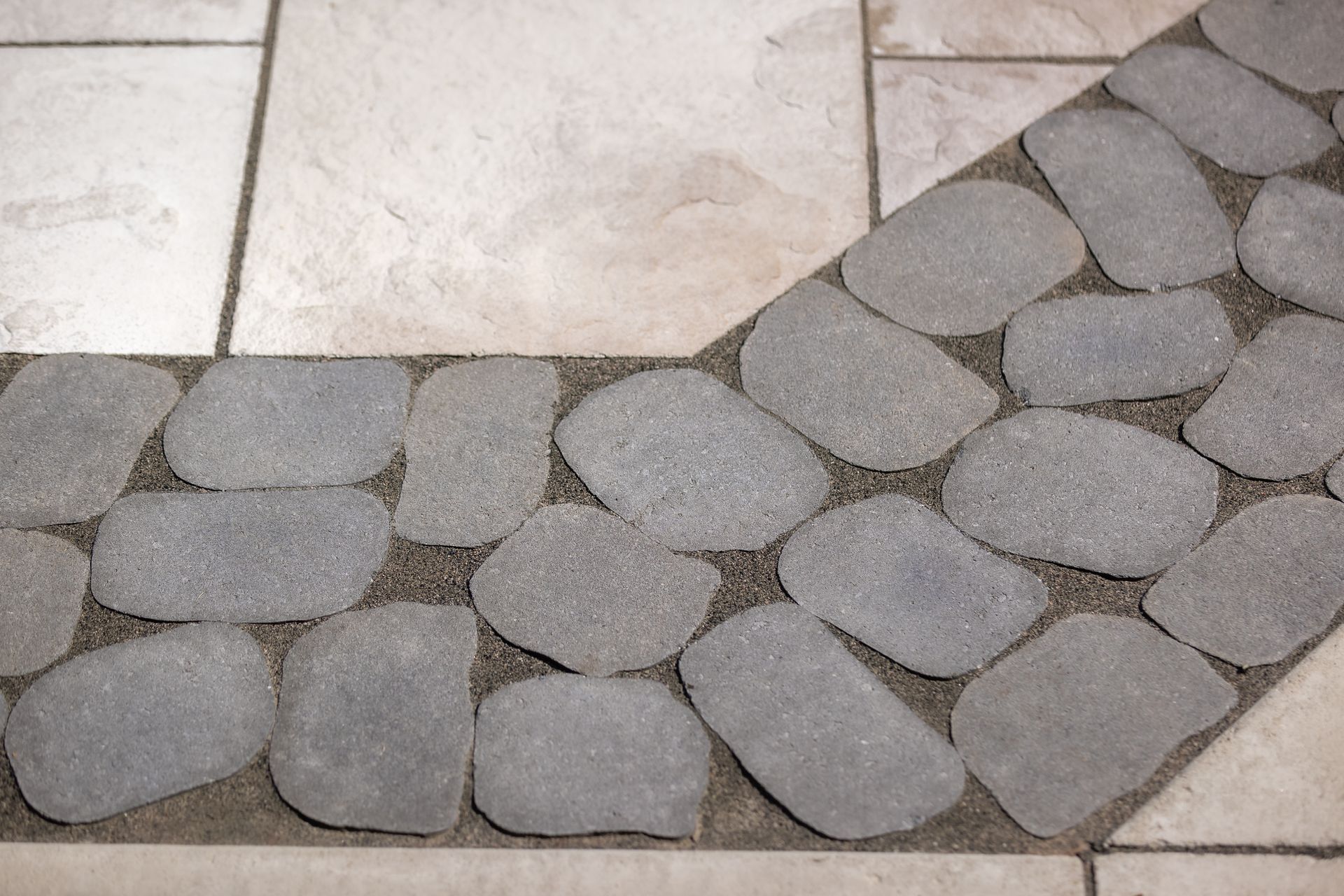
A patio can look flawless the day it’s installed. The real measure of quality shows up later. After a few seasons of freeze-thaw, spring saturation, and heavy summer rain, shortcuts reveal themselves. In our region, patios rarely fail because of the stone itself. They fail because of what’s under it.
If you want a patio that stays level, drains properly, and still looks sharp years from now, the foundation matters as much as the finish.
The “invisible” elements that make a patio last
Excavation depth (done properly, not minimally)
A long-lasting patio starts with enough depth to build a stable foundation. Shallow excavation is one of the most common causes of settling, heaving, and uneven surfaces over time.
A granular base built in layers
A proper base is not dumped in and tamped once. It’s installed and compacted in lifts so it behaves as one stable structure, even when conditions change.
Compaction you can trust
This is where longevity is won. Without correct compaction, the base will shift. The result is often creeping pavers, widening joints, or the classic low corner that collects water.
Intentional slope and water management
Patios should not trap water or send it toward the home. Subtle grading and a clear plan for where water goes, especially during spring runoff, protect the base and reduce long-term maintenance issues.
Edge restraint and detailing that holds everything together
Edge restraints keep pavers from drifting outward and help the entire patio lock in. Without them, even good stonework can loosen and spread over time.
One question that reveals quality fast
If you’re comparing contractors, ask:
“Can you walk me through your base prep and drainage plan step-by-step?”
A team that builds for longevity will have a clear answer because they are not relying on shortcuts.
A patio is more than a surface. It’s a system. When the system is built right, you feel it every time you step outside.